Denmark Hill removals near Denmark Hill station: stair access tips
Posted on 02/06/2026
If you're planning a move around Denmark Hill station, the stairs can make the whole day feel a bit more complicated than it should. Narrow stairwells, awkward turns, shared entrances, and residents coming and going all add up. The good news? With the right stair access tips, Denmark Hill removals near Denmark Hill station can run smoothly, even in older flats and busy streets where parking and access are never quite simple.
This guide is built for real moving-day decisions: how to measure, what to pack first, how to protect banisters and walls, and when it's smarter to bring in experienced movers. It also links out to useful local service pages and practical planning resources, so you can move with less stress and fewer surprises. Truth be told, stairs are rarely the fun part. But they don't have to be the messy part either.
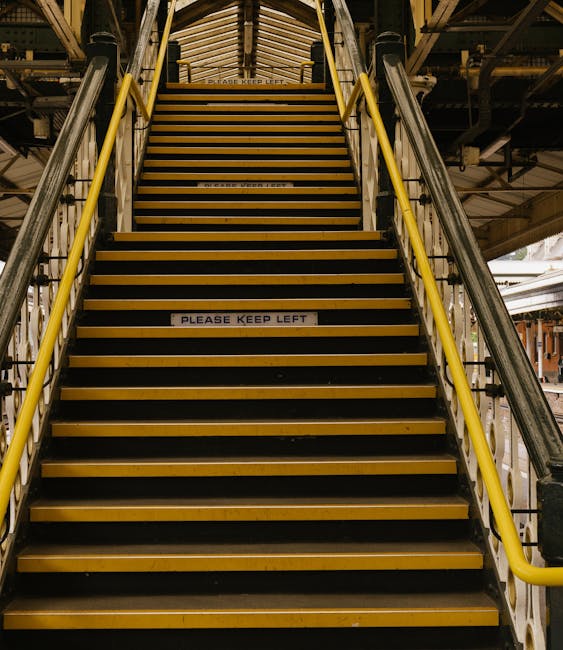
Why Denmark Hill removals near Denmark Hill station: stair access tips Matters
Stairs are one of those details people underestimate until moving day arrives. Around Denmark Hill station, that can be a costly mistake. The area has a mix of Victorian and converted properties, maisonettes, basement flats, and multi-storey homes where staircases are often steep, tight, or interrupted by landings that look generous until you try to turn a wardrobe around them.
Good stair access planning matters for three main reasons. First, it protects your belongings from knocks, scrapes, and twisting damage. Second, it reduces the risk of injuries to you and the moving team. Third, it saves time, which usually saves money too. A move that looks simple on paper can become a slow shuffle of boxes if access hasn't been checked properly. And nobody wants to be carrying a mattress up four flights while realising the landing is too small to pivot. Not fun.
For local moves, especially flats and shared buildings, a stair strategy is just as important as packing. If you're moving furniture, you may want to look at furniture removals in Denmark Hill alongside broader removal services in Denmark Hill so the access plan matches the actual building layout, not just the postcode.
Key point: stair access is not just a logistical detail. It affects timing, safety, staffing, equipment, and whether your move feels controlled or chaotic.
How Denmark Hill removals near Denmark Hill station: stair access tips Works
In practice, stair access planning starts before the van arrives. The best removals teams will want to know the number of flights, stair width, any bends or narrow points, whether there's a lift, and whether the route includes tight front doors, internal fire doors, or shared hallways. The more honest and specific you are, the better the plan.
Here's how a sensible process usually works:
- Inspect the access route - from the street or loading point to the front door, then from the door to each room.
- Measure the awkward items - sofas, beds, wardrobes, desks, mirrors, white goods, and anything with a fixed frame.
- Check the stair geometry - width, ceiling height, turns, landings, railings, and anything that narrows the path.
- Plan the lifting order - bulky items first, then boxes, then lighter or fragile pieces.
- Protect the route - cover floors, corners, bannisters, and doors where needed.
- Assign roles - one person guiding, others lifting, with clear calls and no guesswork.
This is where local experience really helps. A good mover knows that a staircase which looks "fine" from the bottom can become a completely different beast halfway up. Especially in older London conversions, the issue is often not just the stairs themselves but the angles and tight turns around them. If you're moving something fragile or high-value, specialist support like piano removals in Denmark Hill or advice from a man with a van in Denmark Hill can make the difference between a smooth carry and a stressful one.
For larger house moves, a broader plan through house removals in Denmark Hill can help align stair access, van space, packing order, and arrival timing. That coordination sounds boring. It isn't. It's what stops the day wobbling.
Key Benefits and Practical Advantages
People often think stair access tips are only about avoiding damage. That's part of it, yes, but the real benefits go wider than that.
- Less physical strain: safer lifting and fewer awkward carries reduce the chance of pulled muscles and sore backs.
- Lower damage risk: narrower routes need more padding, better handling, and fewer rushed movements.
- Faster loading and unloading: when you know what fits where, you waste less time at each landing.
- Better team coordination: everyone knows their role, which cuts down on confusion and repeated lifting.
- Fewer complaints from neighbours: quiet, efficient movement in shared buildings helps keep things civil.
- More accurate quoting: stair access details often influence the time and vehicle size needed.
There's also a psychological benefit, if we're being honest. A move feels calmer when the tricky parts have already been thought through. You stop worrying about the stairwell at 7am because you've already measured it the night before. That tiny bit of certainty matters more than people expect.
If you're in the middle of sorting furniture, boxes, or storage overflow, the wider support pages can help too. For example, packing and boxes in Denmark Hill is useful when stair access means you need smaller, easier-to-carry cartons rather than oversized ones. And if you have surplus items or a gap between move-out and move-in, storage in Denmark Hill can take pressure off the timetable.
Who This Is For and When It Makes Sense
This advice is relevant to a lot of people, not just those in tall blocks. If your property has stairs, the tips matter. But they're especially helpful for:
- people moving into or out of flats near Denmark Hill station
- students shifting between shared homes and halls
- families relocating from upper-floor properties
- anyone with bulky furniture and no lift access
- landlords or tenants arranging a tight turnaround between tenancies
- office teams moving equipment into upper floors
For students, the access challenge is often less about volume and more about awkward timing, narrow staircases, and a lot of small items. That's where student removals in Denmark Hill can be a sensible option. For quicker moves with a hard deadline, same-day removals in Denmark Hill may be worth considering, but only if access has been checked properly first.
It also makes sense if you're moving on your own and trying to reduce the number of trips up and down the stairs. Let's face it, stairs and stubborn optimism are not a magical combination. If you've got a lot of heavy lifting to do, it's worth reading practical guidance on lifting heavy objects without strain and safe lifting technique before you start.
Step-by-Step Guidance
Below is a simple, field-tested way to prepare for stair access on moving day. It's not flashy. It just works.
- Walk the route in advance. Start at the street or parking point and go all the way to the room the item is leaving. Notice every turn, door, lip, and landing.
- Measure the awkward bits. Measure the width of the narrowest stair point, the height of low ceilings, and the longest item you need to move. If you're moving a sofa or bed frame, write the measurements down. Don't rely on memory; it gets fuzzy when you're rushed.
- Clear the path completely. Remove rugs, plants, coat stands, small tables, and loose clutter. A single shoe on a landing can be enough to ruin the rhythm.
- Protect vulnerable surfaces. Use blankets, cardboard, corner guards, or proper moving covers for bannisters, walls, and door frames.
- Break down what you can. Remove table legs, bed frames, shelves, and detachable drawers. Check whether wardrobes or desks can be safely dismantled and rebuilt later.
- Pack smartly for stairs. Use smaller boxes for books, kitchenware, and dense items so they remain safe to lift. Heavy boxes and steep stairs are a bad match.
- Move the largest items first. Sofas, mattresses, wardrobes, and appliances usually dictate the flow. If they fit well, the rest of the day is easier.
- Use clear communication. Agree on simple instructions like "stop", "lift", "pivot", and "down". Good communication prevents half the accidents people call "bad luck".
- Watch the landing technique. Take extra care turning corners. Pause if needed. Rushing a landing is how scratches happen.
- Check the final room before unloading. Make sure the destination path is open and the floor is ready, especially if furniture has to be set down and rotated into position.
If your move includes a bed, mattress, or frame that has to go up stairs, a focused guide like this bed and mattress moving guide can help you avoid the usual traps. And if you're packing items in advance, smart packing strategies are worth a look, particularly where small boxes are better than heroic giant ones.
Expert Tips for Better Results
There are a few small things that make a large difference. These are the details that seasoned movers tend to obsess over, because they've seen what happens when people don't.
- Use the stairwell like a working space, not a hallway. Keep it clear. One box left "just for a second" can become a trip hazard.
- Check the weather if the route includes outdoor steps. Rain on a slick stair edge is one of those annoying little risks people forget until it's too late.
- Pack by weight, not by room only. A box of books from the living room is not the same as a box of cushions. Be practical.
- Protect corners before you move anything heavy. Once a corner chip appears, you'll keep noticing it. Every time.
- Use shoulder and forearm load-sharing where trained and appropriate. That's part of sensible lifting technique, not brute force.
- Take a photo of the stairwell before moving starts. It helps with planning, and it gives you a record of existing marks if you need one.
To be fair, good movers make some of this look easy. But that ease usually comes from preparation rather than strength. A calm 20-minute prep session can save a much longer 20-minute argument halfway up the stairs. Small effort, big payoff.
If your move involves delicate furniture, it may help to read about storing a sofa in good condition so you understand how padding, wrapping, and careful handling reduce damage. For oversized or awkward pieces, especially in tight stairwells, knowing a bit about solo lifting without strain gives you a better sense of where the limits are.

Common Mistakes to Avoid
Most stair-related moving problems come from a handful of predictable mistakes. The upside is that they're usually preventable.
- Guessing measurements. "It should fit" is not the same as knowing it fits.
- Using boxes that are too heavy. A small box of books is manageable; a giant box of books is a trap.
- Ignoring the landing shape. Many moves fail not on the stairs, but when the item has to turn at the top or bottom.
- Starting without a clear route. If someone has to keep moving out of the way, the whole process slows down.
- Forgetting shared-building etiquette. Noise, door slamming, and blocking access can cause friction fast.
- Not protecting walls and banisters. One scrape can undo a lot of good work.
- Trying to muscle through a bad angle. If it doesn't move cleanly, stop and rethink the route.
One of the biggest mistakes, honestly, is underestimating how tiring stairs are over time. The first three trips feel fine. By trip eight, everyone starts making interesting decisions. That is usually the point to slow down, regroup, and drink some water.
Tools, Resources and Recommendations
You do not need a warehouse of specialist gear, but a few tools make stair access much easier.
| Tool or resource | What it helps with | Why it matters on stairs |
|---|---|---|
| Measuring tape | Checking widths, heights, and item dimensions | Prevents avoidable access problems |
| Furniture blankets | Protecting wood, paint, glass, and fabric | Reduces knocks on narrow turns |
| Ratchet straps or ties | Securing dismantled parts and boxes | Keeps loads stable during carries |
| Floor protection | Protecting carpet, wood, or vinyl | Useful in shared hallways and tight landings |
| Protective gloves | Grip and hand safety | Useful when carrying awkward or rough items |
| Professional help | Heavy, bulky, or fragile moves | Reduces strain and improves control |
For practical support, many people combine local moving help with careful decluttering and packing prep. If you need to reduce volume before moving day, pre-move decluttering strategies can make a big difference. If the property needs to be left tidy, the guide on leaving a house spotless is a sensible companion piece.
For trust and reassurance, you may also want to review insurance and safety information, as well as the company's health and safety policy. If you're comparing providers, the services overview and pricing and quotes pages are helpful starting points.
Law, Compliance, Standards, and Best Practice
For stair access moves, the most relevant standards are usually practical rather than highly technical. In the UK, the key thing is to act safely, avoid damage, and respect the building and its occupants. That means sensible manual handling, clear communication, and careful route planning. If a stairwell is too tight, too steep, or too risky for a large item, the correct answer may simply be to dismantle, use specialist equipment, or bring in extra help.
Shared buildings can also come with expectations around access, noise, and keeping common areas clear. It's wise to be considerate with time slots, especially near busy transport hubs like Denmark Hill station where people are often moving in and out at odd hours. If you are using a removal company, check that they have clear terms, a complaints process, and transparent handling of payments. Those details matter more than people think.
You can also read related trust pages such as terms and conditions, payment and security, and the complaints procedure if you want to understand what to expect before booking. For broader service integrity and values, about the company, recycling and sustainability, and accessibility information can also be useful.
Options, Methods, and Comparison Table
There is no single "best" way to manage stair access. The right method depends on what you're moving, how tight the stairs are, and how much help you have.
| Method | Best for | Pros | Trade-offs |
|---|---|---|---|
| DIY with friends | Light moves, small flats, low furniture volume | Low cost, flexible timing | Higher risk of strain, less experience with awkward access |
| Man and van service | Small to medium moves with moderate stair access | Practical, efficient, usually quicker than DIY | May still need careful prep from you |
| Full removal team | Larger homes, bulky furniture, time-sensitive moves | More hands, better handling, stronger planning | Usually more expensive than a basic vehicle-only option |
| Specialist item move | Pianos, safes, very heavy or fragile pieces | Designed for riskier items and tight routes | Needs accurate access details in advance |
| Storage-first approach | Moves with delays, renovations, or staggered handovers | Reduces pressure on moving day | Requires extra planning and an additional step |
If you're unsure, start by thinking about the stair route first and the vehicle second. That's the bit many people get backwards. A van can be changed. A cramped staircase can't.
Case Study or Real-World Example
Here's a realistic example from the kind of move people make near Denmark Hill station. A couple were moving from a top-floor flat in a converted Victorian terrace into a nearby maisonette. The furniture list was modest: a bed frame, mattress, two bookcases, a sofa, a dining table, and around twenty boxes. On paper, it looked straightforward.
The issue was the staircase. It had a tight turn halfway up, a lowish ceiling at the top landing, and a bannister that left less clearance than expected. Rather than forcing the sofa through and hoping for the best, they measured the route the day before, removed the sofa feet, wrapped the corners, and moved the bed frame in pieces. They also packed books into smaller boxes after reading a quick guide on packing for a home relocation.
The result? No damage, no delays, and no one got stuck on the stairs, which is always a win. It also meant the final unload felt calmer because the route had already been "rehearsed" in advance. That kind of planning doesn't sound dramatic, but it saves real effort. And less effort on moving day is a luxury, frankly.
For moves involving bulky or awkward items, the team may have suggested a vehicle setup through removal van options in Denmark Hill or a more flexible man and van service. For people balancing budget and access needs, that middle ground is often the sweet spot.
Practical Checklist
Use this checklist the day before and again just before loading starts.
- Measure the narrowest part of the staircase
- Measure tall items, especially wardrobes and mattresses
- Check for low ceilings, sharp turns, and tight landings
- Clear all stairs, landings, and hallways
- Protect walls, corners, bannisters, and floors
- Dismantle furniture where safe and practical
- Pack heavy items into smaller boxes
- Label fragile and awkward items clearly
- Reserve parking or identify the loading point in advance
- Confirm access times with building management if needed
- Keep water, gloves, tape, blankets, and tools handy
- Agree clear lifting commands with everyone involved
- Pause and reassess if an item feels unsafe to carry
Expert summary: stair access problems are usually solved by preparation, not strength. Measure honestly, pack lightly, protect the route, and avoid forcing items through awkward gaps. That combination keeps people safer and keeps the day moving.
For a smoother overall move, it can help to combine stair planning with wider preparation and route efficiency. If you're still choosing a mover, take a look at removals in Denmark Hill and compare the support offered across different removal companies in Denmark Hill. Sometimes the best decision is simply the one that removes the most friction.
Conclusion
Denmark Hill removals near Denmark Hill station: stair access tips are really about making the move feel manageable. Once you've measured the route, cleared the path, packed intelligently, and chosen the right level of help, the stairs stop being a surprise and start becoming just another part of the plan. Not the easiest part, sure. But doable.
The best moves around Denmark Hill usually happen when people respect the building, protect the furniture, and don't let optimism outrun common sense. A little preparation goes a long way, especially in older London properties where access can be more demanding than it first appears. If you've got a move coming up, steady planning now will save you a lot of strain later. And probably a few muttered swear words too.
Get a free quote today and see how much you can save.
Whether you're moving a single room, a full flat, or a family home, the aim is the same: less stress, less lifting drama, and a move that feels under control from the first box to the last.