Denmark Hill removals near King's College Hospital: access times
Posted on 14/05/2026
If you are planning a move in Denmark Hill and your building is close to King's College Hospital, access times can shape everything: when the van can stop, how long loading takes, whether a lift is available, and how smoothly the day runs. It sounds like a small detail. It really isn't. In this part of South London, a few minutes can matter because streets are busy, hospital traffic is constant, and residential access can be tighter than you expect.
This guide explains how Denmark Hill removals near King's College Hospital: access times work in practice, why they matter, and how to plan around them without turning moving day into a scramble. We'll cover timing windows, realistic access issues, practical steps, common mistakes, and the best ways to keep your move calm and efficient. Truth be told, most stressful removals are not caused by the packing itself - they start with poor timing.

Why Denmark Hill removals near King's College Hospital: access times Matters
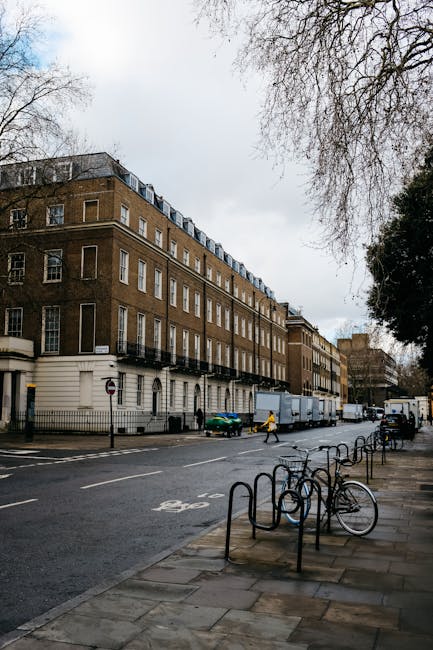
Near a major hospital, access is not just about reaching the postcode. It is about arriving at a workable moment, stopping safely, loading quickly, and avoiding disruption to patients, staff, and neighbours. In Denmark Hill, that matters even more because traffic patterns can shift through the day. Ambulances, deliveries, commuter flow, and school-time movement all affect how easy it is to get a van close to the property.
For removals, access times can influence:
- how close the vehicle can park to the entrance;
- how long the team has to move items between the property and van;
- whether a lift, concierge, or loading bay can be used;
- how much labour time the job takes;
- whether a same-day plan is realistic or a bit ambitious.
There is also a human side to this. People moving near a hospital are often under extra pressure already - maybe a tenancy deadline, a hospital-related work schedule, or a family situation that has not gone quite to plan. When access timing is handled well, everything feels lighter. The move becomes practical rather than chaotic.
That is why local knowledge matters. A removal team that understands the area can plan around the street layout, the likely parking pinch points, and the usual busy periods. If you want broader help beyond timing alone, it can be useful to look at removals in Denmark Hill as a starting point for the full service picture.
How Denmark Hill removals near King's College Hospital: access times Works
In simple terms, access times are the windows in which a removal vehicle can arrive, park, load, and depart without causing delays or breaking building, road, or site rules. Around King's College Hospital, that can mean working around busy junctions, limited stopping space, and access routes that are shared with very different types of traffic.
Here is how it usually works in real life:
- Pre-move assessment: You or your mover checks the building access, the road layout, and any restrictions. This may include lift access, permit needs, or concierge rules.
- Time planning: The removal slot is chosen to fit the property's access conditions and, where relevant, avoid the busiest hospital traffic periods.
- Parking and unloading: The team positions the van as close as possible to reduce carrying distance. Short carry distances save time and reduce risk.
- Controlled loading: Items are moved in a sequence that makes sense - often larger furniture first, then boxes and fragile items.
- Departure planning: The team leaves once the load is secure and access can be cleared efficiently for others.
One small but important thing: access timing is not always the same as the appointment time. A job may start at 8:00 a.m., but actual loading might begin once a parking space is secured and the building entry is open. That little gap can be the difference between a smooth morning and a frazzled one.
If your move includes bulky pieces, it is worth reading the practical advice in furniture removals in Denmark Hill and, for awkward items, the more specialist approach used in piano removals in Denmark Hill.
Key Benefits and Practical Advantages
Good timing around King's College Hospital does more than make the schedule look neat. It has real operational benefits.
- Less waiting time: A well-timed arrival reduces idle minutes while someone hunts for parking or waits for building access.
- Lower stress: When access is planned, there are fewer last-minute phone calls and fewer "where do I park?" moments.
- Better protection for items: Shorter carry routes mean fewer bumps, less strain, and less chance of damage.
- Safer moving conditions: Teams can move carefully rather than rushing to beat a problem that should have been planned out.
- More accurate quotes: Clear access timing helps removal companies estimate labour and vehicle time more honestly.
There is a quiet financial benefit too. If access is poor and the crew has to spend time circling for parking or carrying furniture a long distance, the job can become more labour-heavy. Not always, but often enough. Planning access properly protects your budget as well as your nerves.
Expert summary: Around King's College Hospital, the best move is usually the one that starts early, keeps the vehicle close, and builds in a little margin for traffic. Five extra minutes of planning can save forty minutes of hassle.
Who This Is For and When It Makes Sense
This topic is relevant to far more people than first-time movers. If your home, flat, studio, or office is anywhere near the hospital corridor in Denmark Hill, access times should be part of the plan from day one.
It particularly makes sense for:
- Flat movers: shared entrances, lifts, and stairwells can slow things down, so access timing becomes crucial. See also flat removals in Denmark Hill.
- Families moving house: children, pets, and general household chaos make punctual access even more important. A smoother move often starts with house removals in Denmark Hill.
- Students and short-let tenants: turnaround days are tight, and access windows are rarely generous. The student removals in Denmark Hill service is especially relevant here.
- Office and clinic moves: if the building is near healthcare traffic, the timing has to work around both operations and neighbours. Consider office removals in Denmark Hill if you are relocating work equipment.
- Last-minute movers: if you need a fast turnaround, access planning becomes even more important. That is where same-day removals in Denmark Hill can be helpful, provided timing is realistic.
Sometimes the need is obvious. Sometimes it sneaks up on you. You think, "It's only a short move," and then the van cannot stop where you expected. Happens all the time. That is why local timing advice is worth taking seriously.
Step-by-Step Guidance
Here is a practical way to approach a move near King's College Hospital without overcomplicating it.
- Check your exact address and access route. Note whether your entrance faces a main road, a side street, a courtyard, or a shared block.
- Ask about parking and loading rules. If there is a residents' bay, loading bay, or permit-controlled area, get clarity early.
- Confirm building access times. Some flats only allow lift bookings or porter support in certain windows. If that is the case, your moving slot needs to fit around it.
- Work backwards from move-out deadlines. Give yourself enough time for packing, final cleaning, handover, and one unexpected delay.
- Sort fragile and heavy items separately. A box of books and a box of glassware do not travel the same way. They should not be treated the same either.
- Share access notes with the removal team. Be honest about stairs, narrow halls, key handover, or awkward corners. It helps more than you might think.
- Prepare the property for a quick exit. Keep corridors clear and doors unblocked. Small detail, big difference.
If you are still organising boxes, the guide to packing and boxes in Denmark Hill is a useful companion read. And if the move involves a lot of sorting before the van arrives, this decluttering guide can make the whole process more manageable.
One tiny but effective habit: label boxes by room and urgency, not just by content. "Kitchen - first night" is much better than "misc.". Not glamorous, but it works.
Expert Tips for Better Results
These are the small things that make access planning go from "fine" to genuinely smooth.
- Choose a sensible start time. Early morning often works better than the middle of the day near a hospital area, but only if your building access allows it.
- Keep the first load closest to the exit. Put heavy or essential items where they can be reached fast. No digging around at the last second.
- Use the right team size. If there are stairs or a long carry, more hands can reduce time and strain.
- Protect floors and walls. Especially in older properties, hallways can be tight and easy to mark.
- Have keys and contact details ready. A ten-minute search for keys can throw off an otherwise tidy schedule.
- Keep essentials separate. You do not want to be looking for kettle leads, medication, or chargers inside the van. Been there, regretted it.
For heavy lifting and awkward handling, it helps to understand body mechanics rather than just "trying harder". The article on kinetic lifting explains the basics well, and how to lift heavy objects solo without strain is useful for the smaller tasks you may still do yourself.
If you are moving a bed, mattress, or similarly awkward item, timing matters because the longer it sits in a corridor or stairwell, the more awkward the day becomes. The practical tips in moving your bed and mattress efficiently are worth a look.
Common Mistakes to Avoid
A lot of removal-day problems are predictable. The good news? Most are avoidable.
- Assuming parking will "just work". Near a hospital, that is rarely a safe assumption.
- Forgetting building restrictions. Lift booking times, concierge rules, and access codes often matter more than people expect.
- Packing too late. A late pack leads to a late start, and then access windows are missed.
- Underestimating carry distance. Even an extra 30 metres can add up when you are carrying sofas or appliances.
- Not checking loading height or vehicle size. A van that is too large for the street can create a real headache.
- Ignoring cleaning and handover time. End-of-tenancy moves often need a final tidy before you go. The guide to leaving a house spotless before you leave is helpful for that last stretch.
Another common slip is trying to do too much by yourself. A bit of solo help is normal. But if you are staring at a washing machine or a heavy wardrobe and thinking, "I can probably manage", pause. That pause is free. The back pain is not.
Tools, Resources and Recommendations
You do not need a van full of fancy kit, but a few sensible tools and resources can make a big difference.
| Item or resource | Why it helps | Best used for |
|---|---|---|
| Furniture blankets and straps | Protects items and keeps loads stable | Sofas, wardrobes, beds, and other large furniture |
| Box labels and colour coding | Makes unloading faster and more organised | Room-by-room moves and multi-floor properties |
| Trolley or sack truck | Reduces lifting strain and speeds up heavy moves | Appliances, stacked boxes, and office equipment |
| Access notes for the mover | Helps the team plan the route and timing | Any move near restricted or busy streets |
| Storage option | Takes pressure off when completion dates do not align | Delayed handovers or temporary relocation |
If you need extra space between moving out and moving in, storage in Denmark Hill can be a practical bridge. For larger or fragile items, it also helps to read about keeping a sofa in good condition during storage and storing a dormant freezer properly.
For a move that feels more coordinated from start to finish, the overview on services overview is a sensible place to see how different removal options fit together.
Law, Compliance, Standards, or Best Practice
There is no single special law just for "access times" near King's College Hospital, but a move in this area still needs to respect normal UK parking rules, building policies, site permissions, and safety expectations. That is the practical reality.
Good best practice usually includes:
- checking whether any parking restrictions apply to the street or loading area;
- confirming any building management or concierge rules before the move;
- keeping access routes clear so pedestrians are not blocked;
- handling lifting and carrying in line with sensible manual handling practice;
- protecting neighbours, staff, and visitors from unnecessary disruption.
For removals involving repeated lifting or awkward loads, it is wise to follow cautious manual handling principles rather than rely on guesswork. If you want a clearer sense of how responsible movers approach this, the health and safety policy and insurance and safety pages are useful trust signals to review.
There is also a professionalism angle here. Reputable movers are usually transparent about timing, access limits, and what they can and cannot guarantee. That transparency matters. It stops everyone from pretending a narrow street is magically a wide loading bay. Nice idea, not real life.
Options, Methods, or Comparison Table
Different moves call for different approaches. The right one depends on access, speed, and how much help you need.
| Option | Best for | Strengths | Watch-outs |
|---|---|---|---|
| Full removal service | Homes, flats, larger loads, complex access | Efficient, organised, less stress | Needs more planning, may cost more than minimal help |
| Man and van | Smaller moves and flexible jobs | Good for shorter local moves and lighter loads | Less suited to bulky furniture or awkward stair access |
| Same-day removal | Urgent or short-notice moves | Fast response, useful in time-sensitive situations | Access timing must be realistic and clear |
| Storage-first approach | Moves with date gaps or delayed handover | Flexible, reduces pressure on move day | Requires extra coordination and packing care |
If your move is modest and access is straightforward, a man and van in Denmark Hill or man with a van in Denmark Hill may be enough. If the route is tight, the furniture is bulky, or the building rules are strict, a fuller removal service in Denmark Hill is usually the safer bet.
For broader availability and vehicle choice, it can also help to check a local removal van in Denmark Hill option if you already know what size load you have.
Case Study or Real-World Example
Imagine a one-bedroom flat move a short walk from King's College Hospital. The property is on a busy road, parking is limited, and the building only allows lift use after a certain morning time. On paper, it sounds straightforward. In reality, it needs a bit of choreography.
The moving day plan might look like this:
- the team arrives early enough to assess parking and wait for the access window;
- the packing is already finished the night before, so there is no last-minute box-filling;
- the heaviest items are moved first once the lift is available;
- the van is loaded in a tidy sequence, with essentials placed last for easier unloading;
- the flat is checked quickly and handed over without a mad rush.
That kind of move feels calm because the timing fits the space. If the same move were left to chance, the van might arrive too early, block nowhere useful, and force the team to wait while access opens. Not disastrous. Just messy. And messy is what you are trying to avoid.
For people who need more room between properties, a temporary storage step can take pressure off the day. That is especially helpful when you are sorting furniture and want to protect softer items. A careful move of a couch, for example, benefits from the kind of planning discussed in pristine sofa storage tactics.
Practical Checklist
Use this before moving day. It is simple, but it catches most of the avoidable problems.
- Confirm your exact moving date and start time.
- Check parking and loading restrictions near the property.
- Ask whether there are hospital-related traffic peaks to avoid.
- Book any lift or building access slot required by management.
- Measure large furniture and doorways, especially if stairs are involved.
- Pack essentials separately for the first 24 hours.
- Label every box clearly by room and priority.
- Set aside keys, contact numbers, and access codes.
- Tell your mover about any narrow corridors, basement access, or shared entrances.
- Leave a little buffer for delays. Always. Just in case.
Also worth doing: review your booking terms and payment details ahead of time. If you want to know how a reputable local business handles transactions, the page on payment and security is a sensible read before you commit.
And if your move needs a bit of support in choosing the right service mix, the page on pricing and quotes can help you compare what is included.
Conclusion
Access times are one of those moving details that only look small until the day arrives. Near King's College Hospital, they matter even more because the area has real-world pressure points: traffic, parking limits, building rules, and a steady flow of people moving for very different reasons. A good plan respects all of that.
If you focus on the timing, the access route, the loading sequence, and the practical bits around your building, the move usually becomes much easier. Not perfect. Just calmer, cleaner, and far less annoying. That is a win in my book.
Get a free quote today and see how much you can save.
For a move that feels organised rather than rushed, choose local support that understands Denmark Hill and the rhythm of the area. A bit of planning now can make the whole day feel lighter, and that matters more than people think.