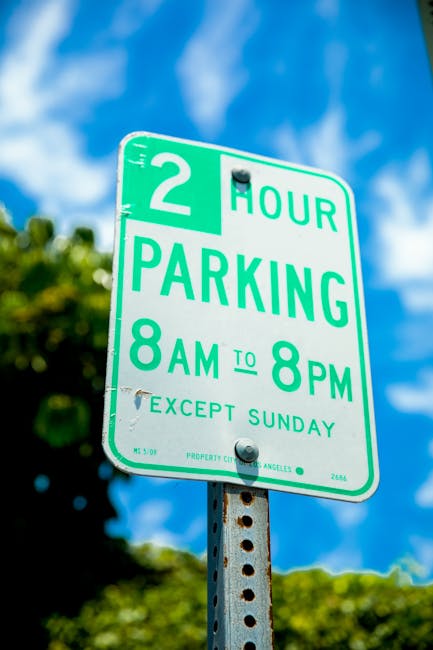
Southwark Council permit rules for Denmark Hill removals
Posted on 26/06/2026
Planning a move in Denmark Hill can feel straightforward right up until the parking question lands on your desk. Then suddenly you are juggling access, loading bays, bay suspensions, time limits, and the very real risk of a van getting ticketed while the sofa is still halfway down the stairs. The good news is that Southwark Council permit rules for Denmark Hill removals are manageable once you understand the basics, the local quirks, and the order in which things need to happen.
This guide breaks the process down in plain English. You will learn when a permit matters, how the rules usually work in practice, what to watch for on SE5 streets, and how to build a moving plan that reduces stress instead of adding to it. If you are also dealing with awkward stairs, tight front gardens, or a narrow parking window near the station, you may find our Denmark Hill stair access tips and SE5 flats and terraces moving guide useful alongside this article.
Let's face it: a permit is rarely the most exciting part of a move. But it can be the difference between a calm, efficient moving day and a last-minute scramble with the engine running and someone checking the street every ten minutes. Been there, not ideal.
Why Southwark Council permit rules for Denmark Hill removals Matters
Parking in London is never just parking. In Denmark Hill, a removal vehicle may need to stop on a restricted road, use shared loading space, or sit in a bay long enough to get everything out safely. That is where council permit rules come in. They are there to manage kerb space, protect traffic flow, and reduce conflict between residents, businesses, and service vehicles.
For removals, the practical issue is simple: if the van cannot stop legally and sensibly close to the property, everything becomes slower, heavier, and more expensive. A few extra metres across a busy road may not sound like much, but after six or seven trips with boxes, bed frames, and the inevitable awkward lamp, it starts to bite. The same applies if you are moving near busier corridors or tightly parked residential streets in the area.
There is another angle too. Unplanned parking can create hidden costs. A driver may have to circle for space, the crew may need more labour time, or the job may run over. If you want to avoid surprise fees later, it helps to read up on how Denmark Hill moves can create unexpected costs before you book anything.
Expert summary: In Denmark Hill, parking permission is not a side issue. It is part of the moving plan. Treat it that way and the day usually runs much more smoothly.
How Southwark Council permit rules for Denmark Hill removals Works
While exact requirements can vary by road, bay type, and timing, the general idea is consistent: if your removal vehicle needs to stop somewhere restricted, you must check whether a permit, dispensation, or bay arrangement is needed. Sometimes a removal can be done within a normal parking space without special permission. Other times, especially on streets with residents' bays, pay-and-display rules, or yellow line restrictions, permission or special planning is needed.
Think of it in layers:
- Street rules: Is parking restricted at the time of your move?
- Vehicle needs: Is the van large enough that it cannot easily use ordinary parking?
- Loading behaviour: Will the crew need to stop close to the entrance for repeated loading?
- Time window: Are there peak restrictions, school times, hospital traffic, or local pressure on space?
In real life, a permit is often about avoiding friction rather than chasing perfection. For example, a short morning move from a flat near Denmark Hill station may be fine if the van can legally use a bay and the loading is quick. But if the property sits on a narrower road with limited layby space, the risk rises fast. If your home has several flights of stairs and a tricky front approach, a link to narrow access solutions in Denmark Hill can also help you think through the access side.
One thing people miss: permit timing matters as much as permit existence. If a permit or dispensation is required, waiting until the week of the move can leave you with fewer parking choices and more pressure on the day itself. It's a bit like trying to pack the kitchen at 10pm the night before. Possible? Yes. Pleasant? Not really.
Key Benefits and Practical Advantages
Following the permit rules properly is not just about avoiding a ticket. It improves the whole move in ways that are easy to underestimate until the day arrives.
- Safer loading: The van is parked closer to the entrance, so carrying heavy items is less risky.
- Faster turnaround: Less distance means fewer trips and less time wasted.
- Better coordination: Your removal team can work more predictably around fixed street conditions.
- Lower stress: You are not watching the clock and worrying about enforcement every few minutes.
- Fewer surprise costs: Avoiding delays and fines helps protect your moving budget.
There is also a quieter benefit: confidence. When the parking side is sorted, everything else feels more manageable. Packing feels less frantic. Access checks feel less dramatic. Even the final broom-through of the old place gets easier. If you are still in the early planning stage, the advice in our tranquil house move guide pairs well with permit planning.
And yes, if you are moving a sofa, bed, freezer or piano, the parking setup becomes even more important because those items tend to gobble time. A roomy loading position matters more than people think. You do not want to be carrying a mattress down a stairwell only to realise the van has been parked half a street away. That is one of those little moving-day dramas nobody needs.
Who This Is For and When It Makes Sense
You should think seriously about permit rules if any of the following sound familiar:
- You are moving from a flat or maisonette with limited on-street space.
- Your road uses resident bays, permit-only bays, or restricted waiting zones.
- You are moving during busy daytime hours when spaces fill quickly.
- You are using a larger removal van or a team that needs extended loading time.
- You have bulky items, fragile furniture, or a heavy item such as a piano.
Students moving small loads sometimes assume permits are not worth the bother. That can be true for a tiny one-trip move, but it is not always true in Denmark Hill, where parking conditions can change from street to street. If you are moving student accommodation, the local access details in student removals in Denmark Hill can help frame the bigger picture.
For office moves, the issue is often timing. A short move outside peak traffic may be straightforward, but a weekday relocation with desks, filing, and equipment needs a tighter plan. Even if your items are not particularly heavy, the footprint of a business move can make the vehicle setup more important than the load itself.
To be fair, not every removal needs a complex parking arrangement. Some do. The skill is knowing which is which before the move, not halfway through it.
Step-by-Step Guidance
Here is the practical route we would suggest for most Denmark Hill moves. It is simple, but it saves headaches.
- Check your exact move address and street conditions. Do not rely on the general area name alone. Two streets only a few minutes apart can have very different restrictions.
- Confirm the vehicle size. A small van, Luton-style vehicle, or larger removal truck may trigger different parking realities.
- Review loading duration realistically. Add time for stairs, awkward items, dismantling, and traffic interruptions.
- Decide whether parking permission is needed. If the location is restricted, build permit needs into the plan early.
- Coordinate with your removal team. Share the address, access notes, and any street constraints in advance.
- Prepare items for quick loading. Packed, labelled, and grouped boxes reduce on-street time.
- Keep a backup plan. If the nearest bay is unavailable, know where the next sensible stopping point is.
It also helps to do a proper declutter before the move. The fewer loose items you have to shuttle, the less pressure there is on the parking window. Our pre-move decluttering guide and packing strategies article are both worth a look here.
A small but important tip: if the property has a lift, check whether it is usable on moving day. If not, the permit and the access plan need to work together. A legally parked van is helpful, but not enough if every item still has to travel six floors on foot.
Expert Tips for Better Results
Here are the things that tend to make the biggest difference in practice.
- Book the parking setup before you book the van slot. Otherwise you may have a vehicle but nowhere sensible to place it.
- Choose an earlier start where possible. Streets are often calmer in the morning. Not always, but often.
- Match the van size to the property. Bigger is not always better on a cramped road.
- Use clear labels on boxes. Faster unloading means less time idling at the kerb.
- Protect heavy or awkward items properly. One slip can waste more time than the whole permit process.
We also recommend looking at item-specific moving advice if your load includes delicate or oversized pieces. For example, our guides on moving a bed and mattress efficiently, professional piano moving, and keeping a sofa in top condition can help you reduce handling time and damage risk.
One little human truth: the last 10% of a move often takes 50% of the energy. That final stretch, when everyone is tired and the kettle has not been unpacked yet, is exactly when a good permit plan earns its keep.

Common Mistakes to Avoid
Most moving problems in this area are not dramatic. They are small planning gaps that become bigger under pressure.
- Assuming a van can just stop anywhere. Many streets are more restricted than they look at first glance.
- Leaving permit checks until the last minute. This is a classic stress multiplier.
- Ignoring loading time. A "quick move" can become a long one if the stairs are steep or the furniture is bulky.
- Forgetting building rules. Some flats, estates, and managed properties have their own access or booking procedures.
- Not telling the removal team about access constraints. If they do not know, they cannot plan around them.
Another easy mistake is to focus only on the parking space and forget waste or storage needs. If you are clearing old furniture, you may need a separate plan for disposal. That is where bulky waste removal solutions for Denmark Hill flats can come into the picture.
And if you are moving same day, pressure rises quickly. In that case, read what to expect from urgent same-day removals so you are not trying to solve parking, packing, and timing all at once.
Tools, Resources and Recommendations
You do not need a truck full of specialist kit to manage permit-related removals well, but a few basics go a long way.
- Street photos: Take a couple of photos of the parking area and entrance so you can brief the crew accurately.
- Floor-plan notes: A quick handwritten note about stairs, lift access, and door width is surprisingly helpful.
- Box labels and marker pens: They save time when loading and unloading.
- Protective wrapping: Especially useful for mirrors, sofas, mattresses, and polished furniture.
- Backup storage option: If your move-in date slips, temporary storage can prevent a rushed and messy replan.
If you expect a staggered move or a delay between properties, storage in Denmark Hill can be a useful buffer. Likewise, if your move is part of a larger home clear-out, the advice on leaving a spotless house is practical and easy to apply.
For people who prefer a hands-off approach, a local removal team can help coordinate access, timing, and vehicle positioning as part of the service. If you are comparing options, our pages on removals in Denmark Hill, man with a van in Denmark Hill, and house removals in Denmark Hill may help you see which service level fits your move.
Law, Compliance, Standards, or Best Practice
When we talk about council permit rules, it is worth being careful and precise. Parking controls, bay restrictions, loading allowances, and vehicle permissions are all local matters that can differ by street and by time of day. The safest approach is always to check the exact conditions for the specific location and moving date rather than relying on assumptions or old information.
For a move in Southwark, a few broad best practices apply:
- Plan legally first, then operationally. A good move starts with lawful parking and realistic access planning.
- Build in margin. Unexpected delays happen. They just do.
- Respect residents and neighbours. Keep routes clear and avoid blocking entrances or crossings.
- Use properly insured and safety-conscious movers. This matters for people, property, and peace of mind.
If your move involves vulnerable access, heavy lifting, or a lot of foot traffic, health and safety should never be treated as an afterthought. Our health and safety policy and insurance and safety overview set a useful tone for what careful moving should look like.
For compliance-minded readers, the practical rule is simple: do not guess. Check the street setup, communicate early, and keep records of any parking arrangement or permit decision you rely on. It is a small administrative effort that can save a very annoying morning later.
Options, Methods, or Comparison Table
Different move setups suit different streets. Here is a simple comparison of the main approaches people use around Denmark Hill.
| Approach | Best for | Pros | Watch-outs |
|---|---|---|---|
| Standard on-street parking | Low-restriction streets with available space | Simple, quick, usually low fuss | Space may not be available at the exact time you need it |
| Permit or dispensation arrangement | Restricted streets or longer loading times | Better certainty and closer access | Needs planning and may require lead time |
| Short-term loading strategy | Quick flats moves or light-load relocations | Fast if access is friendly | Not ideal for heavy furniture or multiple trips |
| Backup parking plus porter-style carry | Busy roads or awkward buildings | Flexible when close parking is tight | More labour, more time, more physical effort |
If you are weighing vehicle types as well as parking strategy, the differences between man and van, removal van, and a fuller removal service can be quite useful. Smaller jobs often benefit from flexibility; bigger homes often benefit from a more coordinated setup.
There is no single perfect method. The best one is the one that matches your street, your items, and your timetable without creating unnecessary pressure.
Case Study or Real-World Example
Imagine a couple moving from a top-floor flat near the station on a Friday morning. The property has steep internal stairs, a fridge, a bed frame, and a large sofa that barely turns on the landing. On paper, it sounds like a routine local move. In reality, it is the kind of job where parking and timing become the quiet backbone of the day.
They start by checking street conditions the week before. There is limited space, and the nearest legal stopping point is not directly outside the front door. They also realise the move-out involves multiple trips because the building is narrow and the sofa will need careful handling. So they adjust the plan: earlier start, clear loading order, boxes packed by room, and a van positioned as close as is legally practical.
The result? Fewer pauses. Less backtracking. No awkward mid-move argument about where the van can stop. Nothing magical, just good planning. The actual lifting still takes effort, of course. But the overall move feels calmer because the parking side was not left to chance.
That same pattern works for many local moves, whether you are relocating a student flat, a family home, or an office with equipment to move. If your day includes large items, you might also want to read our guides on bed and mattress moving and lifting heavy objects without strain.
Practical Checklist
Use this before moving day. It is simple, but it catches the usual mistakes.
- Confirm the exact address and street layout.
- Check whether the road has parking restrictions during your moving window.
- Decide what type of vehicle you actually need.
- Ask whether a permit, dispensation, or loading arrangement is required.
- Make a note of stair access, lifts, and door widths.
- Label boxes by room.
- Pack fragile items separately and clearly mark them.
- Keep important documents, keys, chargers, and medicines with you.
- Prepare a backup parking option if the first choice is full.
- Tell the removal team about any awkward access or timing issues.
- Plan waste removal or storage if you do not want everything going straight to the new place.
- Leave enough time for the final walk-through and clean-up.
If you are still gathering supplies, the packing and boxes support page is a sensible place to start. A well-packed move is easier to load, easier to protect, and easier to keep on time. Simple, really.
Get a free quote today and see how much you can save.
Conclusion
Southwark Council permit rules for Denmark Hill removals are not just a bit of admin. They shape how smoothly your entire move runs. Get them right and you reduce stress, protect your budget, and give the removal team a fair shot at doing the job properly. Get them wrong and even a short local move can feel oddly complicated.
The best approach is steady and practical: check the street, understand the restrictions, build in enough time, and keep your access plan realistic. If your move is more complex than it first appears, use the right support rather than hoping the kerb space will magically appear at the perfect moment. It usually doesn't.
With a little preparation, moving day in Denmark Hill can feel much less like a scramble and much more like a proper transition. And honestly, that is worth a lot.